
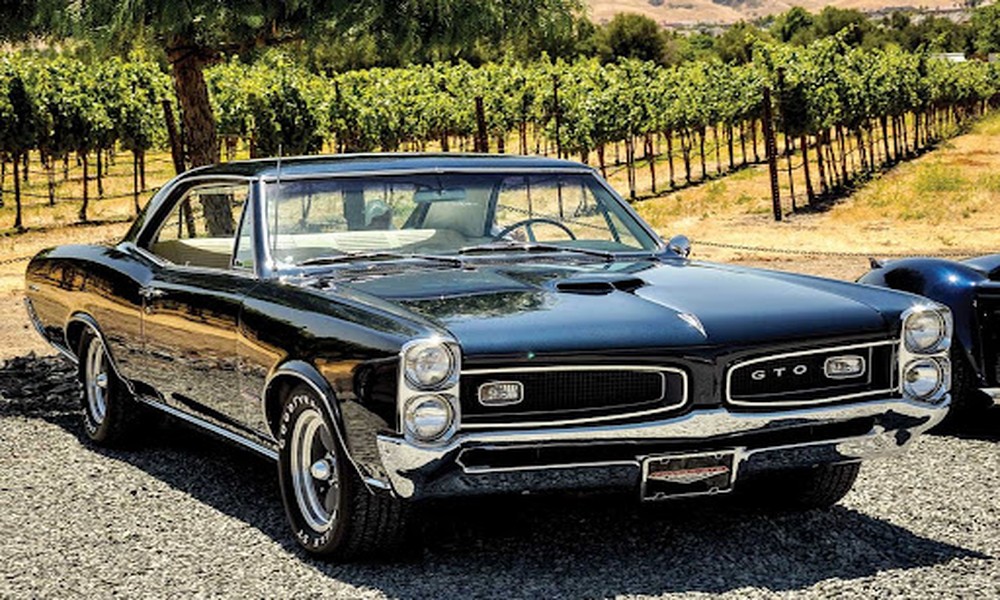

Classic performance cars are more than just machines; they represent turning points in automotive engineering. Their lasting legacy comes from innovations that redefined speed, control, and driving experience. These vehicles were not created overnight but evolved through years of experimentation, risk-taking, and engineering excellence that pushed the limits of what cars could achieve. This continued admiration is evident in the rising popularity of vintage muscle cars, as collectors and enthusiasts increasingly seek out these timeless machines.
1. Engine Efficiency and Fuel Injection
Early performance cars depended on large engines to produce power, often sacrificing efficiency. Over time, engineers improved combustion processes and fuel delivery systems. The shift from carburettors to fuel injection allowed precise control over fuel flow, resulting in better performance, improved fuel economy, and smoother engine response. This advancement laid the foundation for modern high-performance engines.
2. Aerodynamic Design
Initially, car designs focused mainly on appearance. However, as speeds increased, aerodynamics became essential. Engineers began shaping cars to reduce air resistance, introducing sleeker bodies and lower profiles. Wind tunnel testing helped refine these designs, leading to improved speed, stability, and overall performance at high velocities.
3. Advanced Suspension Systems
Handling was a major limitation in early cars due to rigid axle suspension systems. The introduction of independent suspension marked a major improvement. By allowing each wheel to move separately, cars gained better grip, smoother rides, and enhanced cornering ability. This innovation gave drivers more confidence and control, especially at high speeds.
4. Improved Braking Technology
Braking systems have evolved significantly in classic performance cars. Drum brakes, which were once standard, often overheated and lost effectiveness. The introduction of disc brakes solved this problem by offering better heat dissipation and consistent stopping power. This was crucial for high-speed vehicles, where reliable braking is essential for safety and performance.
5. Use of Lightweight Materials
Weight reduction became a key focus in performance engineering. Heavy steel components were gradually replaced with lighter materials such as aluminium. This change improved acceleration, handling, and fuel efficiency. Lighter cars required less power to achieve high performance, making them more agile and responsive.
6. Transmission Advancements
Transmission systems also saw major improvements. Manual gearboxes became more refined, allowing smoother and quicker gear shifts. Better gear ratios and synchronisation enabled engines to deliver power more efficiently across different speeds, enhancing both performance and driving comfort.
7. Tire Technology and Grip
Tires played a crucial role in performance evolution. Wider tyres with improved rubber compounds provided better traction and road contact. This allowed cars to accelerate faster, corner more effectively, and brake with greater control, significantly improving overall driving dynamics.
Conclusion
Classic performance cars were shaped by a series of engineering breakthroughs that transformed the automotive industry. From engine efficiency to tyre technology, each innovation contributed to creating vehicles that are still admired today. These advancements not only defined an era but also continue to influence modern car design and performance engineering.