
What to Pay for a Classic Ford Mustang
The Ford Mustang is one of the most famous classic cars ever built. First introduced in the mid-1960s, it quickly became a symbol of American style and performance, and a Guide to classic Mustang collecting often begins with understanding this legacy. During its early years, it was part of the golden era of muscle cars, when manufacturers competed to build faster and more powerful vehicles. Even today, the Ford Mustang remains one of the most recognised classic cars in the world.
The first generation was produced from 1964 to 1973. Over those years, the car changed in both design and performance. Early models were smaller and more compact, but later versions became larger and more aggressive in appearance. Engine options also improved over time, with both six-cylinder and V8 engines increasing in size and power.
There were three main body styles: Hardtop, Convertible, and Fastback. Hardtop and Convertible models were more common and are usually more affordable today. A well-maintained Hardtop or Convertible from the mid-1960s can often sell between moderate price ranges, depending on condition, originality, and location. Cars with upgraded engines or modern features may also attract strong interest, especially if the work is done properly.
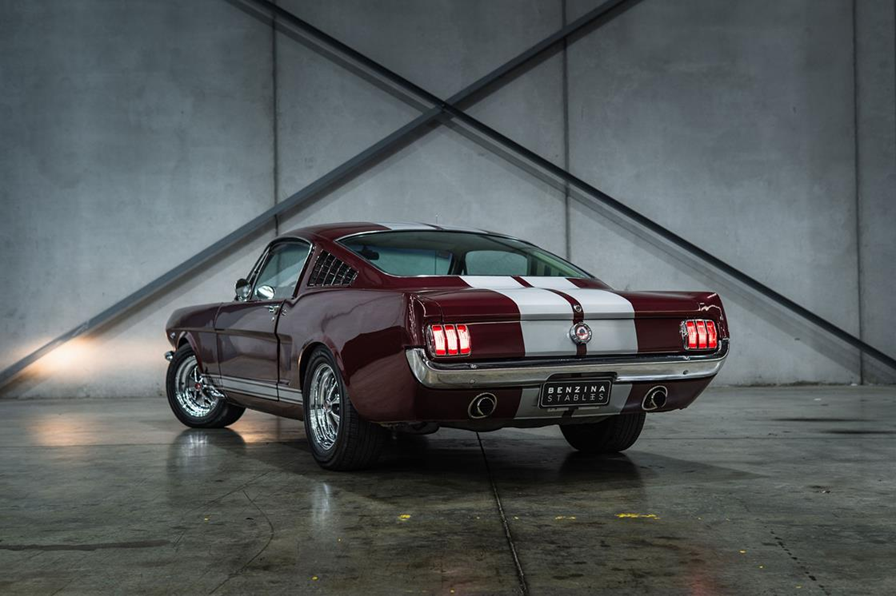
The Fastback version is generally more desirable. Introduced shortly after the first Hardtop models, it featured a sleek roofline and sportier design. Because it is rarer and considered the classic Mustang shape, Fastbacks usually cost more than other body styles. Prices can vary widely based on engine size, condition, and history. A restored Fastback in excellent condition can reach a high value, especially if it has a large V8 engine.
High-performance versions developed with the help of racing legend Carroll Shelby are even more valuable. Special models like the Shelby GT350 and Shelby GT500 were produced in limited numbers. Because of their strong racing background and low production totals, these cars are highly sought after by collectors. Prices for genuine examples can reach very high figures, especially if they are well preserved and have original parts.
Condition plays a major role in determining value. Cars with low mileage, original paint, and matching engine numbers usually sell for more. A fully restored car can also command a strong price if the work was completed to a high standard. However, buyers should carefully inspect for rust, poor repairs, or missing documentation before purchasing.
Modified or tribute models are another option. Many owners build cars that look like rare performance versions but are based on standard models. These cars are usually more affordable than the original high-performance versions. While they may not reach the same investment value, they can still offer strong performance and visual appeal.
In general, prices for classic Mustangs vary depending on body style, engine, condition, and rarity. Common Hardtop models are usually the most affordable. Fastbacks cost more, and true high-performance Shelby models are the most expensive.
Buying a classic Mustang is not only about price. With careful research and inspection, you can find a model that fits both your budget and your passion.